Building Connections & Community

Building Connections & Community

Building Connections and Community:
A Day with Northern Nevada’s
Animal Control Officers

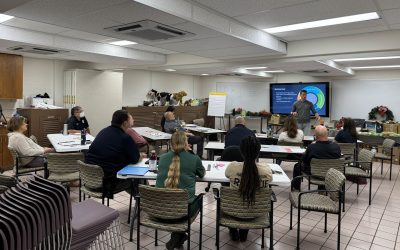
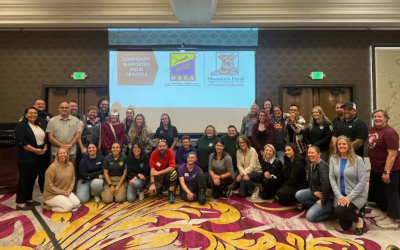
In a significant step toward community-centered animal care and control, the National Animal Care & Control Association (NACA) recently hosted a one-day event in Reno, Nevada, bringing together animal control officers from the Northern Nevada region. Funded by a generous grant from Maddie’s Fund, this gathering focused on empowering officers with the skills, tools, and connections needed to foster stronger relationships through their role within the community.

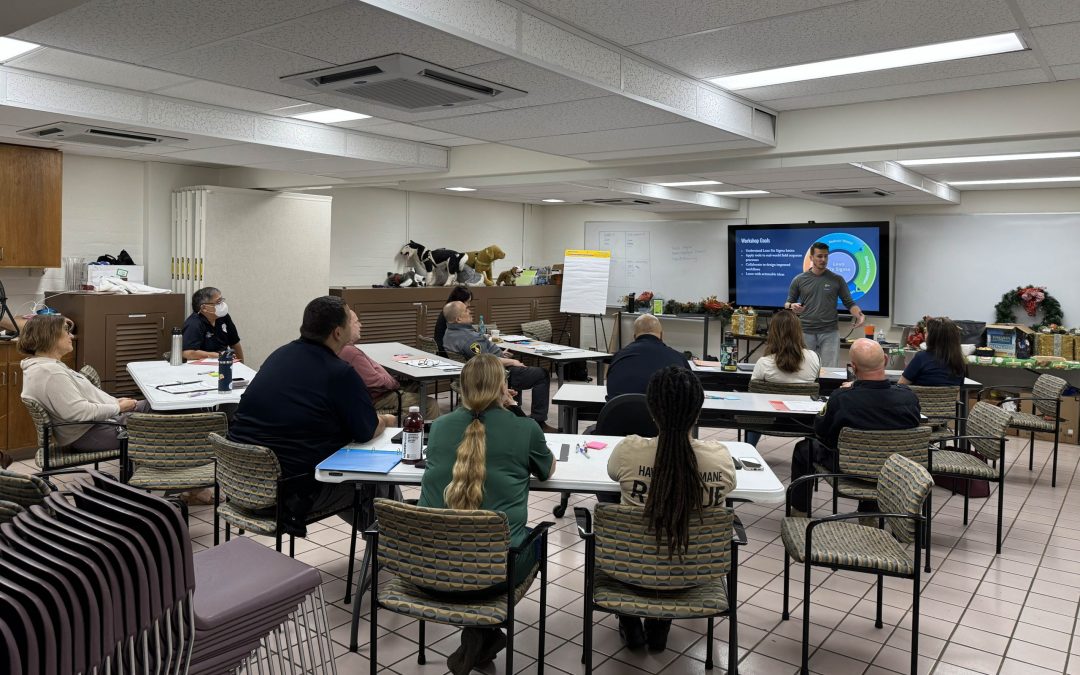
The event provided officers with a unique space to network, learn from each other, and gain practical skills they could apply immediately. Topics centered around personal growth, community engagement and included sessions on communication techniques and innovative approaches to establishing deeper trust with the communities they serve. Officers learned strategies designed to help them communicate effectively with community members, resolve conflicts, and create partnerships that support animal welfare.

Participants didn’t just leave with new knowledge—they left with tangible tools to help implement what they learned. For example, officers were given supplies for practical community tasks like fence mending, reinforcing the idea that animal control work often involves helping residents directly care for their pets and property. Additionally, communication tools provided at the event were crafted to help officers better navigate conversations and build positive interactions with the people they serve.

Throughout the day, the atmosphere was one of camaraderie and shared purpose. Officers from different departments connected over their common goals and challenges, forming a network that will help them support each other beyond the event. 

Reflecting on the day’s impact, one participant shared, “This event reminded me of why I do this work. It’s not just about animals—it’s about the people and communities we support.” 


 With thanks to Maddie’s Fund, this 4th grant-funded community focused service event is part of our broader shared mission to enhance community relationships and elevate the animal care profession. By investing in community engagement, NACA and Maddie’s Fund are helping animal control officers build stronger, more compassionate connections with the communities they serve.

This event represents just one example of how NACA is working to create lasting change through community-focused initiatives—and we look forward to more opportunities to bring officers together, inspire new approaches, and foster community partnerships that truly make a difference. #ThankstoMaddie

Behind the Badge: Anna Barrett

Behind the Badge: Anna Barrett

Behind the Badge: Anna Barrett
(NACA’s October Spotlight Winner)

We see the hard work and dedication every day from the wonderful people in animal welfare. When Anna Barrett was selected as NACA’s October Spotlight, her enthusiastic and thoughtful reflections on the field were so inspiring that we knew we had to share her journey with the broader community. Anna’s deep appreciation for the changes in animal welfare and her passion for building relationships in the field highlight the essence of what makes an Animal Control Officer truly impactful.Her reflections serve as a powerful testament to the dedication and progress within our profession.

Anna’s Story

“When I think back over my years in animal control, it’s nearly impossible to choose just one memory or experience that has shaped my journey. I started this work back in 1997 when I was just 22 years old, and looking back, I realize just how much has changed since then. The field of animal welfare, care, and control is almost unrecognizable from what it was when I first joined the profession. And after all these years, if there’s one lesson I’ve learned, it’s that animal control is often much more about navigating relationships with people than it is about “controlling” animals.

Back in the 90s, the concept of fostering animals was still a dream for most open-access county shelters. There were very few structured programs to care for unweaned kittens, medically compromised pets, or elderly animals. Community Cat TNR (Trap-Neuter-Return) was nearly unheard of outside of private cat rescues and small groups of dedicated citizens. The hard reality was that we euthanized a lot of animals. There’s a stereotype that folks who work in animal control are detached or hardened, but I believe most of us do this work because we genuinely love animals. Asking young professionals, bright-eyed and full of hope, to euthanize healthy animals day after day for reasons like age, time, or space felt like a cruel initiation into the field. I wondered how anyone could keep going in this line of work when faced with such a heartbreaking reality, much less build a career that would last more than 25 years. So, why did I stay? Perhaps it’s because I’ve always been a bit of an optimist. Or maybe I was just fortunate to enter the field at a time when the tide was beginning to turn. As a profession, we were finally starting to engage in tough conversations that would eventually drive real change. The infrastructure wasn’t there yet, but I knew I wanted to be part of those conversations and the hard work that followed.

Fast forward to today, and I’m grateful to have been a part of a movement that resulted in thriving foster programs, Kitten Colleges, community cat initiatives, low-cost vet services, and community resource programs – all things that are now routine in our work. These programs help keep people and pets together, reduce euthanasia, and increase positive outcomes for animals in need. This is exactly what I got into this field to do, and seeing these changes come to fruition has been the most rewarding part of my career. One thing I’ve found essential to this work is building relationships within the community. It’s not just about the animals, it’s about understanding people and meeting them where they are. I appreciate that there’s always something new to learn and am excited to see what the future holds as we continue to grow and adapt. I’ve also always felt incredibly lucky to live and work in a community that values wildlife, even in the midst of rapid urban development. My passion for urban wildlife conflict resolution and wildlife rehabilitation has only grown stronger over the years. I’m grateful that my interest in these areas has not only been supported but encouraged, and it’s been my pleasure to witness that enthusiasm catch on in others, too.

Looking back to 25 years ago, we did the best we could with the limited information and resources we had. Today, we have so much more knowledge at our fingertips, and I’ve had the joy of helping create new opportunities for learning and caring. One of my proudest achievements has been my involvement in establishing the Wildlife Resource Center at The Animal Welfare League of Arlington, VA. The Wildlife Resource Center allows us to offer unique, specialized care for our urban wildlife I could only dream of when I first started in this field. Finally, as I reflect upon my journey, it’s clear to me that my legacy isn’t just in the programs or projects I’ve worked on – it’s in the relationships I’ve built, the lives I’ve touched, and the future I’ve helped shape for both animals and people. And for all of that, I am grateful.”

Here at NACA, we couldn’t be prouder to have such an amazing officer in the field like Officer Anna Barrett. Her commitment to both animals and her community, and her ability to foster positive change, embody the true spirit of animal control work. Anna’s legacy serves as a reminder of the compassion, resilience, and growth that define our profession, and we are so grateful to witness the difference she continues to make. Thank you, Anna, for all that you do.

Disaster Response

Disaster Response

As Hurricane Milton approaches, the National Animal Care and Control Association (NACA) is actively supporting communities and their pets by helping to provide critical coordination and resources to ensure animal welfare is prioritized during this challenging time. For weeks, we’ve been behind the scenes helping coordinate efforts for Hurricane Helene’s recovery, and now we’re doubling down to assist with Milton. While we are not always the ones physically on the ground, our focus is on orchestrating efforts across multiple organizations and agencies to make sure resources and support are effectively deployed.

NACA’s role has been supporting and facilitating collaboration between multiple organizations, including federal partners and other national groups as part of the National Animal Sheltering Rescue Coalition. We help ensure that the many agencies involved—whether they are conducting field assessments, leading recovery missions, or staffing temporary shelters. We are also in regular contact with the Red Cross to ensure that animal welfare needs are part of the overall emergency response plans. As a coordinating body, we strive to make sure that all partners work seamlessly together, so human and animal services are aligned and optimized.

NACA is currently embedded in the Emergency Operations Center (EOC) in North Carolina, where we have been supporting coordination efforts for Hurricane Helene. As the situation develops with Hurricane Milton, we’re working to help fulfill activated MOUs to bring additional support to Georgia, where we’ll continue to act as a central communication and strategy hub. By maintaining a presence in these EOCs, we ensure that the right agencies are connected, informed, and able to respond quickly to changing needs.

We want to take a moment to thank all the animal control officers, shelter staff, emergency responders, and volunteers who have been working around the clock—often juggling both their daily duties and disaster response coordination. You are the boots on the ground making all of this possible, and we deeply appreciate the tireless work you do. While the demands are high and the pressure intense, we encourage you to prioritize taking care of yourselves and your families. Your well-being is just as important as the essential work you’re doing for your communities. Lean on each other, take breaks when you can, and remember that the NACA team is here to support and coordinate efforts to make sure you have what you need.

We’re in this together. Stay safe, and thank you for all you do!

— The NACA Team

Transforming the Role of Animal Control Officers through AI 

Transforming the Role of Animal Control Officers through AI 

Transforming the Role of Animal Control Officers through AI

In recent years, Artificial Intelligence (AI) has revolutionized many fields, and animal control is no exception. Integrating AI into the daily tasks of animal control officers can significantly enhance their efficiency, accuracy, and overall impact. From data analysis to on-ground operations, AI offers a plethora of applications that can make the challenging job of animal control more manageable and effective. However, these opportunities come with important considerations and challenges.

AI can elevate data analysis and reporting to new heights. AI can quickly process and analyze large datasets, identifying patterns and trends that inform strategic decision-making. This includes tracking incidents of animal cruelty, neglect, and other relevant activities. Predictive analytics can forecast areas with higher probabilities of animal control issues, allowing for proactive measures rather than reactive responses.

Additionally, AI can optimize resource deployment, ensuring that animal control officers are sent to areas where they are most needed. This reduces response times and improves the overall efficiency of operations. Predictive maintenance of equipment and vehicles using AI can keep tools in optimal working condition, reducing downtime and ensuring readiness.

Integrating AI into common animal control practices, such as animal identification and tracking, can help swiftly reunite owners with pets, track the movements of at-large animals, and support existing tools like Petco Love Lost’s facial recognition software.

AI also has immense possibilities for enhancing public outreach and education. AI chatbots and virtual assistants can provide 24/7 support to the public, answering common questions about animal control policies, procedures, and services. AI-driven social media monitoring can help track and respond to public sentiment and feedback, allowing for better community engagement and education efforts.

However, along with these benefits come challenges and considerations. AI systems can unintentionally perpetuate biases present in the data they are trained on. It is vital to use diverse and representative datasets to ensure fair and unbiased outcomes. Regular audits and adjustments of AI systems can help mitigate bias and ensure ethical use.

Data privacy and security are also critical concerns. Handling sensitive data requires stringent privacy and security measures. Animal control officers must adhere to regulations and best practices to protect data from breaches and misuse. Ensuring transparency in how data is collected, stored, and used can help build public trust.

The reliability of AI systems is crucial, especially in high-stakes situations. Ensuring that AI tools are accurate and validated against real-world scenarios is essential. Regular updates and maintenance of AI systems can help maintain their accuracy and effectiveness.

Proper training is necessary to ensure that animal control officers can effectively use AI tools. This includes understanding the capabilities and limitations of technology. Encouraging a culture of continuous learning and adaptation can help in the seamless integration of AI into daily operations.

AI holds immense potential to transform the role of animal control officers, making their work more efficient, informed, and impactful. By leveraging AI for data analysis, animal identification, surveillance, resource allocation, and public outreach, officers can better protect and manage animal populations. However, it is crucial to address the ethical, privacy, accuracy, and training challenges associated with AI to ensure its responsible and effective use. As AI continues to evolve, its integration into animal control promises to enhance the capabilities and outcomes of officers dedicated to the welfare of animals.

ACO III Course Groundbreaking Success

ACO III Course Groundbreaking Success

NACA’s ACO III Course: A Groundbreaking Success in Gainesville, FL

In July 2024, the National Animal Care and Control Association (NACA) marked a significant milestone with the completion of our inaugural ACO III course in Gainesville, FL. This groundbreaking event, held in partnership with the University of Florida’s Veterinary Forensic Sciences Laboratory, brought together 13 dedicated students from across the country, representing states such as California, Arkansas, South Dakota, Idaho, Kansas, Florida, and Michigan.

Over the course of three intensive days, participants engaged in a comprehensive blend of lectures and hands-on workshops, designed to enhance their skills and knowledge in various aspects of animal control and forensic science. The curriculum covered a wide array of topics, including DNA analysis, forensic photography, evidence processing, entomology, and the art of compassionate conversations. These sessions were led by some of the nation’s foremost experts in veterinary forensics, providing an unparalleled learning experience for our students.

 The final day of the course was particularly thrilling, as students were divided into teams to work through three meticulously designed mock crime scenes. This practical application allowed them to put their newly acquired knowledge into action, culminating in presentations of their findings. The enthusiasm and dedication displayed by this first cohort were truly infectious, underscoring the success of this inaugural course.

We are incredibly proud of the accomplishments of our ACO III students and grateful for the invaluable partnership with UF Veterinary Forensic Sciences Laboratory. The positive feedback and excitement generated by this course have set a strong foundation for future ACO III sessions.

Together, we are elevating the standards of animal control and ensuring that our officers are equipped with the skills and knowledge to make a profound impact in their communities.